Can Couples Counseling Help with Trust Issues in My Relationship in Brooklyn, NY
Trust is the foundation of any strong relationship, yet when it’s compromised, it can create significant strain. Trust issues in couples are incredibly common, and they can stem from many different causes. If you're experiencing trust issues in your relationship in Brooklyn, NY, you're not alone. Many couples face this challenge and seek help to rebuild their bond.
But can couples counseling really help with trust issues? The answer is yes, when done right, couples therapy can offer the tools and strategies necessary to rebuild trust, improve communication, and heal emotional wounds.
Common Causes of Trust Issues in Couples
There are several reasons couples in Brooklyn, NY might experience trust issues. Identifying the root cause is the first step toward healing, and many couples seek couples counseling in Brooklyn, New York to better understand what’s happening beneath the surface. Here are some of the most common causes:
Infidelity: One of the most obvious causes of trust issues in relationships is infidelity. Whether it's physical cheating or emotional betrayal, it can take a long time to rebuild trust after one partner steps outside the relationship.
Poor Communication: Trust can also be eroded through poor communication. When partners don’t feel heard or understood, it can lead to feelings of betrayal or abandonment.
Past Emotional Trauma: Sometimes, trust issues are not directly related to the current relationship. If one or both partners have experienced trauma or betrayal in past relationships, those scars can affect trust in the current partnership.
Lack of Transparency: If one partner keeps secrets or doesn’t share important details about their life, it can create a sense of dishonesty and unease in the relationship.
How Trust Issues Affect Relationships
When trust is broken, it doesn’t just affect one person, it impacts both partners and the relationship as a whole. Trust issues can manifest in many different ways, including:
Emotional Distance: Partners often start to emotionally withdraw from each other when trust issues arise. This can create a sense of isolation and loneliness in the relationship.
Increased Conflict: Trust issues tend to lead to more arguments, as partners may accuse each other of dishonesty or be overly defensive about their actions.
Decreased Intimacy: Whether it’s physical or emotional intimacy, trust issues can lower the level of connection between partners, making it difficult to be vulnerable or affectionate.

How Couples Counseling Can Help Restore Trust
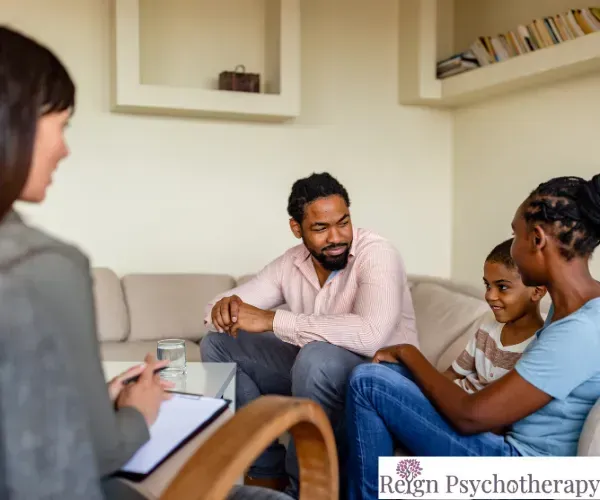
Therapy provides a structured and supportive environment where both partners can work through trust challenges together. Couples counseling in Brooklyn, NY allows partners to safely explore past hurts, improve communication, and rebuild emotional security with professional guidance.
Approaches to Address Trust Issues in Therapy
Emotional-Focused Therapy (EFT): One of the most popular therapeutic approaches for rebuilding trust, EFT helps couples identify and express emotions while learning how to support one another’s emotional needs.
Cognitive Behavioral Therapy (CBT): CBT helps couples recognize and change unhealthy thought patterns that fuel mistrust, improving communication and reducing conflict.
Transparency and Accountability: Counseling helps couples establish openness, set boundaries, and rebuild reliability through consistent, honest behavior.
Building Emotional Safety: Trust grows when both partners feel emotionally safe. Therapy teaches validation, reassurance, and emotional attunement.
Success Stories: How Counseling Has Helped Other Couples in Brooklyn, NY
Consider the story of Sarah and John, a couple living in Sunset Park, Brooklyn. They sought Brooklyn, New York couples counseling after John admitted to an emotional affair. Initially, sessions were tense and emotionally charged, but over time they learned how to communicate without defensiveness and rebuild emotional closeness. After several months, their trust was restored, and their relationship became stronger than before.
Their experience is one of many examples showing how guided therapy can help couples heal and move forward together.
Finding the Right Couples Counselor for Trust Issues in Brooklyn, NY
Not all therapists are the same, and choosing Brooklyn couples counseling plays a critical role in rebuilding trust.
What to Look for in a Counselor Specializing in Trust Issues
- Experience with Trust and Betrayal: Look for someone experienced with infidelity, emotional wounds, and communication breakdowns.
- Approach to Therapy: Whether CBT, EFT, or an integrative approach, the therapist’s style should align with your needs.
Comfort and Compatibility: Both partners should feel safe, heard, and respected.
How to Prepare for Couples Counseling
- Be Open-Minded: Healing requires honesty and willingness from both partners.
- Set Clear Goals: Decide what you want to improve, communication, trust, or emotional closeness.
Prepare for Hard Conversations: Difficult discussions are part of the healing process, but they lead to long-term growth.
Conclusion: Trust Is Rebuilt, and We’re Here to Help
Rebuilding trust is possible with the right support. At Reign Psychotherapy, PLLC, we specialize in couples counseling, helping partners work through betrayal, communication challenges, and emotional wounds with compassion and clarity. If you’re ready to take the next step toward a healthier and stronger relationship.
Contact us today to schedule your first session!
FAQ: People Also Ask
1. How long does it take to rebuild trust in a relationship?
Rebuilding trust often takes several months or longer, depending on the situation. Therapy helps guide the process and provides tools for lasting change.
2. Can couples therapy work if one person doesn’t want to go?
Yes, therapy can still be beneficial, though it works best when both partners actively participate.
3. What if my partner doesn’t want to talk about the trust issues?
A therapist can help facilitate difficult conversations in a safe, structured environment, even when one partner feels hesitant.